
Online casinos offer the same games, same rules, and same house edge as a retail floor, from your phone or computer. Stick to licensed operators with certified random number generators, learn the house edge of the games you play, and treat every bonus as marketing until the fine print proves otherwise.
- 0.5%Blackjack edge (basic strategy)
- 94-97%Typical slot RTP
- 7Legal iCasino states
- 21+Age in regulated states

Something I wish I was told before setting foot on a casino floor: the house always has the edge. That’s no secret or a conspiracy; it’s just how the math works. The best thing you can do is understand how things work.
Online casinos are digital platforms where you can play the same games you’d find at a retail casino. Slots, blackjack, roulette, craps, baccarat, and everything in between. You can play straight from your phone or tablet, or at home on your computer.
The reputable operators are:
- Licensed, either by state gaming authorities or international regulators.
- Use certified random number generators (more on that shortly).
- Process real money deposits and withdrawals through secure payment systems.
Sketchy websites also exist, which is exactly why I wrote this guide.
My Goal: Help You Navigate Online Casinos, Safely
My goal with this online casino guide is to help the beginner or inexperienced. If you have already been playing for years, you probably already know most of what I am going to cover. It doesn’t hurt to get a refresher though.
This guide covers how games work, picking a trustworthy casino site, the truth behind bonuses (nothing is ever free), and how to walk away with some money in your pockets.
I’ve spent 30 years on casino floors across the US and online, making and seeing every possible mistake, so you don’t have to.
How Online Casinos Work
Every outcome at a legitimate online casino is determined by a Random Number Generator (RNG). An RNG is essentially a computer algorithm that produces thousands of random results per second. When you spin a slot or flip a card, the system has already determined what happens before the animation even finishes.
Independent testing labs like eCOGRA and Gaming Laboratories International (GLI) audit these RNG systems to confirm they’re genuinely random and that the published return rates are accurate.
Software Providers
The games themselves are built by third-party software companies, not by the casinos. The big names include Evolution Gaming (dominates live dealer), NetEnt, Microgaming, Playtech, and Betsoft. This matters because a casino running Evolution’s live blackjack is offering the same product as every other casino running it.
Seeing online casinos using the same software provider ensures that quality testing is more accurate. Losing credibility would mean losing millions in software deals, so there is incentive to keep things fair.
Licensing
Online casinos must be licensed to operate legally. In the US, that means a state-issued license from gaming regulators in places like New Jersey, Michigan, or Pennsylvania. Internationally, you’ll see licenses from Malta (MGA), Gibraltar, and the UK Gambling Commission.
There are also offshore casinos that obtain licenses through 3rd party regulators like Panama Gaming Commission or Curaçao Gaming Authority.
The House Edge
Every online casino game is designed so the casino takes a small percentage of every bet over time. That percentage is called the house edge.
- For blackjack with basic strategy, it’s about 0.5%.
- For American roulette, it’s 5.26%.
- For slots, it varies widely but typically runs between 3% and 10%.
The flip side of house edge is RTP (Return to Player). This is the percentage of wagered money the game pays back over time.
A 96% RTP slot pays back $96 for every $100 wagered; on average. The casino keeps the other $4. That’s the cost of entertainment. The question is whether you’re getting your money’s worth.
This is why profitable casino players use strategies and systems to help them get an advantage. Not cheating, just playing smart.
| Game Category | Typical RTP Range | House Edge |
|---|---|---|
| Blackjack (basic strategy) | 99–99.5% | 0.5–1% |
| Video Poker (9/6 JoB) | ~99.5% | ~0.5% |
| Baccarat (Banker bet) | 98.9% | 1.06% |
| European Roulette | 97.3% | 2.7% |
| Online Slots | 94–97% | 3–6% |
| American Roulette | 94.74% | 5.26% |
| Keno | 75–95% | 5–25% |
How to Choose a Safe, Trustworthy Casino
The internet is full of online casinos, and even worse, full of websites promoting these brands as “the best”. A meaningful chunk of them are not worth your money or your trust.
Here is my 6-point checklist I run through before depositing any money.
- Valid license from a recognized regulator
- RNG certification from an independent testing lab
- SSL encryption on the site
- Real player reviews you can verify
- Payment reliability with clear withdrawal timelines
- Customer support that actually responds
1. Valid License
Find the license; usually a logo or link. You can also read the license details and if it’s active; operators have to renew their license every year.
A state license like NJ, MI, or PA tells you the casino is accountable to a real regulator within the USA. You may also find international licenses like MGA or UK Gambling Commission.
2. RNG Certification

Look for eCOGRA or GLI audit seals, usually in the footer or about page.
These organizations test the games independently. If an online casino claims to be independently tested, make sure to see if its done by a reputable company.
Certified means the RTP figures are real and verified.
3. SSL Encryption
The site URL should start with https, not http. Most sites will also highlight other security measures they have.
Your financial data needs to be encrypted in transit and at rest.
An added bonus if they mention using the latest data encryption algorithms (AES or RSA).
4. Real Player Reviews
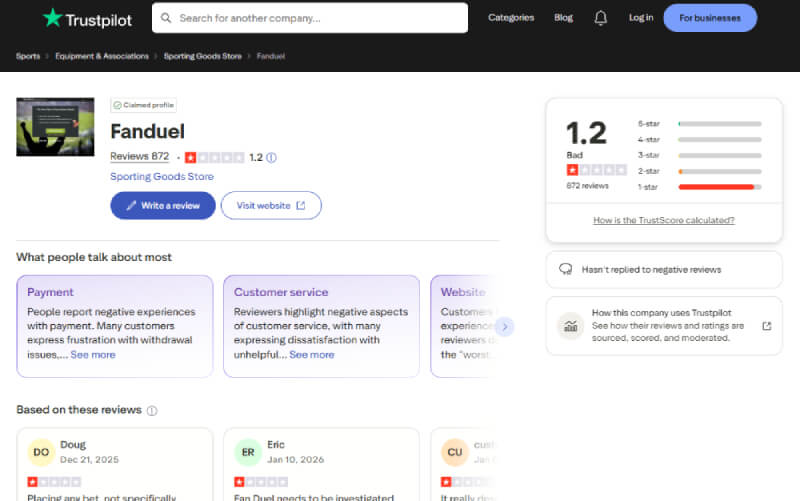
Check Trustpilot, Reddit, and dedicated casino review forums.
Look specifically for complaints about withdrawal delays, account closures, or players getting limited.
5. Payment Reliability

The casino should offer multiple legitimate payment options and publish clear withdrawal timelines.
They will often show payout timeframes that do not take into account their own internal “approval” system and times. Just realize that when you request a withdrawal, they need to approve it before the rest of the process begins.
If the withdrawal terms are buried in 40 pages of fine print, that’s intentional.
6. Customer Support
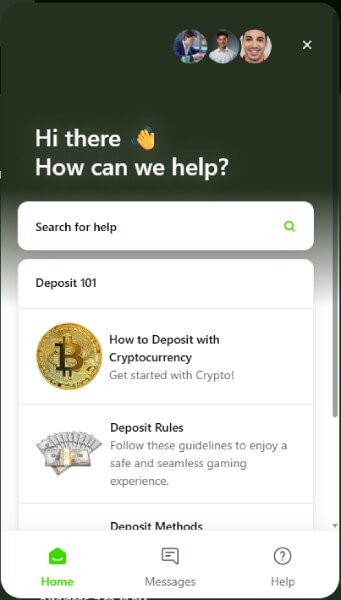
Test it before you need it. Send a message and see how fast and competently they respond.
If they have a Live Chat, that is a good sign. Email-only with 72-hour response windows is not.
Most regulated casinos will have customer support phone numbers, as well as regulator information.
Understanding Casino Bonuses

Bonuses are marketing, not money. Let me explain what I mean.
When a casino offers you a 100% deposit match up to $500, they are not handing you that $500 for free. They’re giving you $500 in bonus credits with strings attached; specifically, wagering requirements.
Hitting those requirements is time consuming, and we know the longer you play, the higher chances the casino has of taking your money.
Common Bonus Types
Welcome / Deposit Match Bonus
This is the most common bonus you will find. The casino matches your first deposit(s) at a set percentage. You may see large values of “extra” cash you could play with.
No-Deposit Bonus
A small amount of free credits just for signing up.
- Usually between $10–$25.
- Have low rollover requirements (1x–10x).
- Come with strict terms; can only clear playing specific games.
Free Spins
They provide you with a set number of spins on specific slot games. Winnings are subject to wagering requirements. This means if you hit the jackpot with a free spin, you must clear the requirement before you can withdraw your money.
Reload Bonus
Deposit match offered to existing players when they return and make more deposits. The amounts are usually smaller than the welcome offer.
Reward / VIP Programs
You receive points as you play and can be redeemed for cashback or bonus credits. In my opinion, these are the best possible promotions a player can find. You will be gambling anyways, might as well get extra perks from it!
On a personal note, retail casinos tend to have much better player rewards than online casinos.
How to Evaluate Real Value
The math is simple. Take the bonus amount, multiply by the wagering requirement (rollover value), then estimate your expected losses using the house edge of the games you plan to play.
You also have to take into account:
- The time limit they give you to clear the wagering requirement.
- The percentages different games count towards clearing the requirement.
For example, slots tend to count 100%, this means that for every $1 spent, $1 is applied to your bet total. However, blackjack may only count 10%, meaning for every $1 spent, only $0.10 counts towards clearing your bonus.
Totally insane right?
If the expected losses and other factors exceed the bonus amount, the bonus has negative expected value.
That said, some bonuses are genuinely good. Those with low wagering requirements (10x or under) or cashback offers.
Read the terms carefully, pay attention to which games count toward the requirement, and never deposit more than you intended to just to claim a bonus.
Real Money Online Casinos

Playing for real money is much different from playing for free. The outcomes matter more than when nothing’s on the line. That’s what makes it exciting. It’s also what makes it important to understand what you’re getting into.
At a licensed real money casino, you deposit actual funds, place real bets, and if you win, you can withdraw actual cash.
The games are the same whether you’re betting $0.10 or $100 per spin; the RNG doesn’t know or care. The RTP holds over millions of spins, not over your 200-spin session on a Tuesday night.
The Benefits
- You can win real money. At licensed platforms, a jackpot hit pays out in full.
- Bonuses and promotions apply to real-money play only. Free play earns you nothing.
- Loyalty programs reward real-money wagering with cashback, comps, and perks.
- The psychological experience is sharper. Games are more engaging when something’s at stake.
Precautions Worth Taking
- Set a session budget before you start playing. Decide how much you’re spending on entertainment, then stop when you hit it.
- Withdrawals at reputable casinos work fine. If a site is delaying your withdrawal without clear reason, that’s a problem. Escalate to the regulator.
- Real money and alcohol make a bad combination. I’ve watched more money disappear at 2 am than I care to comment.
Top real-money operators in the USA as of 2026 include BetMGM, DraftKings, FanDuel, and Caesars. These are licensed, well-capitalized, and have functional withdrawal processes. That last part matters more than you’d think.
How Deposits and Withdrawals Work

Putting money in is always easy. Getting it out is where you learn whether a casino is any good.
Registration comes first, you’ll need to verify your identity (a photo ID, proof of address, sometimes a selfie) before you can withdraw.
Payment Methods Overview
| Method | Deposit Speed | Withdrawal Speed | Notes |
|---|---|---|---|
| Credit / Debit Card | Almost instantly | 1–5 business days | Widely accepted |
| PayPal / e-Wallets | Almost instantly | 0–24 hours | Fast option, but has fees |
| Bank Transfer / ACH | 1–3 days | 3–7 business days | Best for added security |
| PayNearMe (Cash) | Same day | N/A (deposit only) | In-person at retail |
| Cryptocurrency | Minutes | Minutes–1 hour | Fastest overall |
A Note on Crypto
Crypto deposits and withdrawals are genuinely fast. Bitcoin, Ethereum, Litecoin, these transactions process in minutes rather than days. If the casino accepts crypto and you’re comfortable using it, it’s often the best option.
Just be aware of price volatility between deposit and withdrawal, particularly if you’re holding cryptocurrency winnings for any length of time.
Mobile Casino Gaming

More than 60% of online casino sessions happen on mobile. Online casinos know this, which is why every legitimate operator has put serious resources into their mobile experience over the last five years.
You have two options: dedicated app or mobile browser. Dedicated apps (available through the App Store or Google Play for licensed operators) offer smoother performance and faster load times. These apps only work when you are within state borders. So, if you are out of state, you won’t be able to play.
Mobile browsers work just as well, and you don’t have to download anything.
Most games are optimized for touchscreen. Live dealer games stream well over WiFi and most 4G/5G connections.
Are Online Casinos Legal in the USA?
It depends on where you live. Online casino gambling is fully legal in a growing number of states, but not all.
As of 2025, the states with legal iCasino (real money online casinos) are:
| State | Status | Regulator |
|---|---|---|
| New Jersey | Legal and active since 2013 | NJ Division of Gaming Enforcement |
| Michigan | Legal and active since 2021 | Michigan Gaming Control Board |
| Pennsylvania | Legal and active since 2019 | PA Gaming Control Board |
| Delaware | Legal and active since 2012 | Delaware Lottery |
| Connecticut | Legal and active since 2021 | CT Department of Consumer Protection |
| West Virginia | Legal and active since 2020 | WV Lottery |
| Rhode Island | Legal and active since 2023 | RI Lottery |
Responsible Gambling
I’m going to say this once, and I’ll keep it brief because I know you came here for a gambling guide, not a lecture.
Gambling is entertainment. For most people, it stays that way. For some, it doesn’t. If you’re chasing losses, gambling with money you need for other things, or finding it hard to stop when you planned to, those are signals worth taking seriously.
Tools Available to You
- Deposit limits: set a daily, weekly, or monthly cap on what you can add to your account.
- Session time limits: get an alert or automatic logout after a set amount of time.
- Cooling-off periods: temporary restriction on your account, from 24 hours to several weeks.
- Self-exclusion: a longer-term or permanent block from the platform. Most states also offer multi-casino exclusion databases.
Support Organizations
- National Council on Problem Gambling (NCPG): 1-800-697-3738, ncpgambling.org
- Gamblers Anonymous: gamblersanonymous.org
Every licensed casino is required to provide these tools and display these resources. Each state may also have their own responsible gambling programs to help players that face addiction or problems.
Frequently Asked Questions About Online Casinos
Are online casinos rigged?
Licensed, audited casinos are not rigged. The RNG systems at eCOGRA-certified and GLI-certified casinos are independently tested to confirm they produce genuinely random outcomes.
The house edge is real and works in the casino’s favor over time, but that’s not rigging, that’s math. This is why casinos don’t need to cheat.
Are online casinos legal in my state?
Real money online casino play is currently legal in seven US states: Connecticut, Delaware, Michigan, New Jersey, Pennsylvania, Rhode Island, and West Virginia.
If you live in other states, be sure to check your local laws. There may be explicit laws preventing offshore sites from accepting players or you from playing.
How do I know if an online casino is safe?
Four things: a valid license from a recognized regulator, an independent RNG audit certificate (eCOGRA, GLI), SSL encryption on the site, and a track record you can verify through player reviews.
If any of those are missing, that’s a great reason to look elsewhere.
What is the best online casino?
It depends on where you live and what you want to play.
In regulated US states, the top licensed operators are BetMGM, DraftKings, FanDuel, and Caesars. All licensed in multiple states, all running properly audited games.
Those living somewhere with no in-state regulated sites, after checking local laws, should hold offshore options to the same 6-point safety checklist above.
What is the legal gambling age for online casinos?
In regulated states, 21 years is the minimum age at most licensed online casinos, consistent with land-based casino regulations.
Offshore casinos can range between 18 and 21 being the minimum age; most reputable sites follow the 21 year age limit. All licensed operators are required to verify your age.
Can you win real money at online casinos?
At licensed casinos, you can win real money. RNG-determined games produce real outcomes with real consequences.
The house edge means the casino profits over millions of plays, but individual sessions can absolutely result in wins; sometimes large ones. Slots can hit jackpots. Blackjack sessions can end up ahead.
What is RTP in online casino games?
Return to Player is the percentage of total wagers a game pays back over time. A 96% RTP slot returns $96 for every $100 bet on average across millions of spins.
RTP is a long-run statistical measure, not a per-session guarantee. In any single session, you might win 300% of your buy-in or lose it all.
What You Can Do Next
You now know more about online casinos than the vast majority of people sitting down to play right now.
You understand how the games work, how to spot a trustworthy operator, what bonuses actually cost you, and how to play without it becoming a problem.
The casino has one job: make the games seem closer to even than they are. Your job is to know the difference.
You can’t beat the house long-term, nobody can. But you can make the house work harder for your money, choose games with favorable odds, claim only the bonuses worth claiming, and walk away when you said you would.
That’s what playing smart looks like. Less complicated and informed. Fortune Scouts will continue to provide you with all of the casino knowledge it can, so keep looking around.